

How to Maintain Air Brakes on a Western Star 49x Truck: A Complete Guide
Understanding the Air Brake System on a Western Star 49X
On a Western Star 49X, the air brake system handles the enormous stopping force required for hauling heavy loads across highways, job sites, and urban routes. A heavy-duty air brake system uses compressed air instead of hydraulic fluid to activate braking components. The system relies on several interconnected parts working together to slow and stop the truck safely.
Key components include:
- Air compressor
- Air dryer
- Air tanks
- Brake lines
- Service chambers
- Pushrods
- Slack adjusters
- S-cams
- Brake shoes
- Brake drums
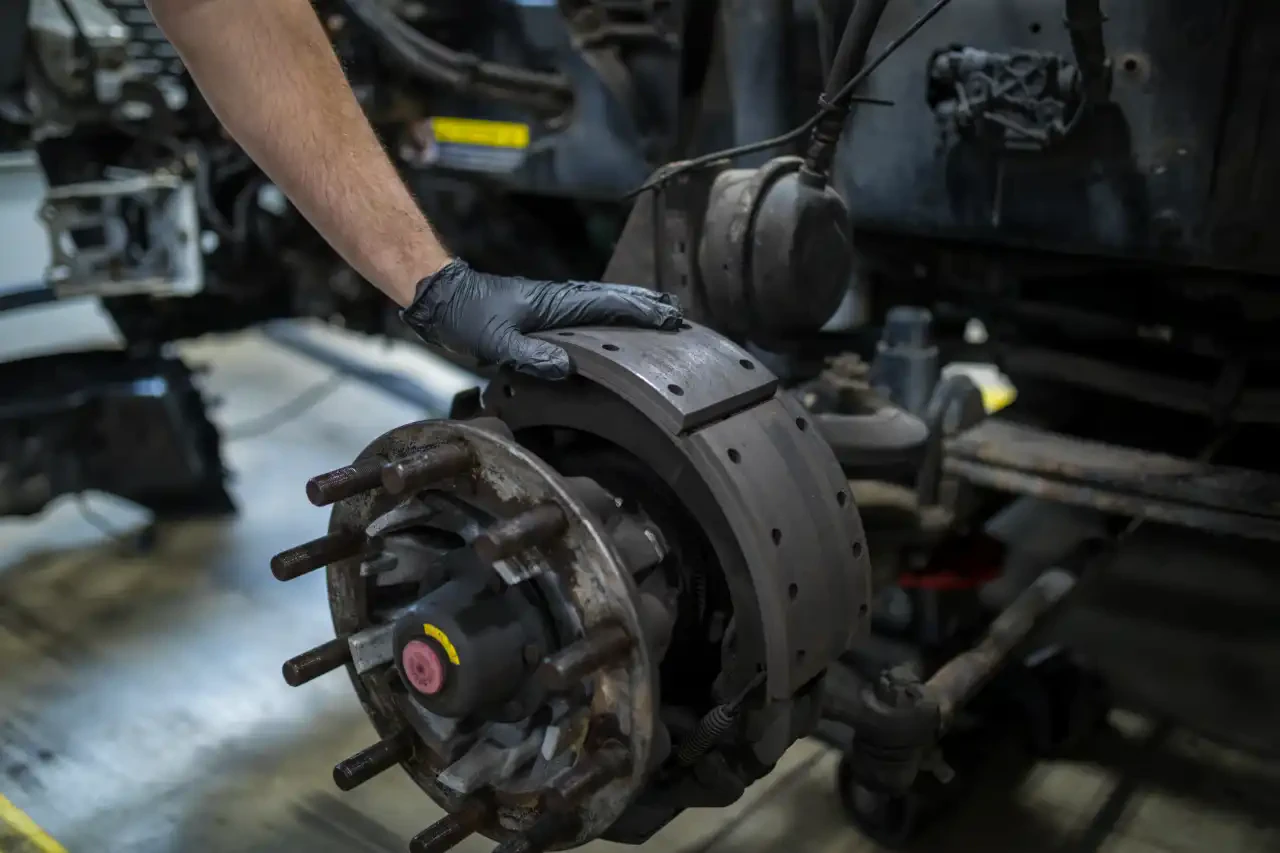
The air compressor generates compressed air, which is stored inside air tanks. When the brake pedal is pressed, compressed air travels through the brake lines into the service chambers. This air pressure moves the pushrod and slack adjuster, activating the S-cam and forcing the brake shoes against the brake drum to create stopping friction.
Perform Daily Air Brake Inspections
Daily inspections are the first line of defence against brake failure. Drivers should inspect the system before every trip.
Start by checking air pressure build-up. Most Western Star 49X trucks should build pressure from 85 PSI to 100 PSI within the manufacturer’s specified timeframe. Slow pressure build-up often points to compressor problems or air leaks.
Inspect the air tanks for moisture accumulation. Excess moisture can contaminate valves, damage components, and freeze inside airlines during colder weather.
Next, inspect the following:
- Air hoses and fittings for leaks or cracks
- Brake chambers for physical damage
- Slack adjusters for excessive free play
- Brake drums for cracks or heat damage
- Brake shoes for uneven wear
- Low air pressure warning systems
- Parking brake operation
Listen carefully for audible air leaks while the system is pressurized. Even small leaks can reduce braking efficiency and increase compressor workload.
Drain Air Tanks Regularly
Moisture is one of the biggest enemies of any compressed air system. Condensation naturally develops as compressed air cools inside the tanks.
If moisture accumulates, it can:
- Corrode internal components
- Freeze in cold temperatures
- Damage valves and brake chambers
- Reduce braking performance
Drain the air tanks regularly to remove water and contaminants. Many Western Star 49X trucks use automatic drain valves, but manual inspections are still important.
When draining the tanks:
- Park the truck safely
- Release accumulated air pressure carefully
- Open the drain valves
- Allow all moisture and debris to exit
- Close the valves securely
If excessive moisture appears frequently, inspect the air dryer immediately.
Service the Air Dryer
The air dryer removes moisture and contaminants before compressed air enters the brake system. A failing air dryer can allow water, oil, and debris to circulate throughout the system.
Signs of air dryer problems include:
- Excessive moisture in tanks
- Frozen airlines during winter
- Oil contamination
- Frequent compressor cycling
- Reduced air pressure performance
Replace the air dryer cartridge according to Western Star maintenance intervals or sooner under severe operating conditions. Trucks operating in humid climates like Houston often place additional strain on air drying systems. Routine air dryer maintenance helps protect the entire air brake system from premature wear.
Inspect and Adjust Slack Adjusters
Slack adjusters play a major role in maintaining proper brake stroke and braking force. Automatic slack adjusters are common on modern Western Star trucks, but they still require regular inspection. Excessive pushrod stroke can reduce braking efficiency and create DOT compliance issues.
Inspect slack adjusters for:
- Excessive free play
- Improper pushrod travel
- Seized components
- Worn clevis pins
- Lubrication issues
Measure pushrod stroke during inspections to ensure it remains within legal limits. If automatic slack adjusters repeatedly fall out of adjustment, underlying brake problems may exist.
Never ignore uneven brake adjustment. Uneven braking can increase stopping distances and place additional strain on suspension and driveline components.
Monitor Brake Shoe and Drum Wear
Brake shoes and drums wear naturally over time due to friction and heat. However, aggressive driving habits, overloaded trailers, and stop-and-go traffic can accelerate wear dramatically.
Inspect brake shoes for:
- Thin lining material
- Cracks
- Oil contamination
- Uneven wear patterns
Brake drums should also be inspected for:
- Heat checking
- Scoring
- Cracks
- Out-of-round wear
- Blue discolouration from overheating
Worn brake drums reduce braking efficiency and may create vibration during braking. Replacing shoes before they wear excessively helps prevent expensive drum damage. Proper brake shoe replacement intervals depend on driving conditions, load weights, and maintenance practices.
Check Brake Chamber Operation
Brake chambers convert compressed air into mechanical force. If a chamber develops leaks or internal diaphragm failure, braking performance can drop significantly.
Inspect chambers for:
- Air leaks
- Corrosion
- Dented housings
- Loose mounting hardware
- Damaged diaphragms
Spring brake chambers deserve extra attention because they also control the parking brake system. A damaged spring brake chamber can create serious safety concerns and should be replaced immediately.
Lubricate Moving Components
Proper lubrication helps reduce friction and wear within the brake system.
Components commonly requiring lubrication include:
- Slack adjusters
- S-cam bushings
- Clevis pins
- Roller assemblies
Use the manufacturer-recommended grease and lubrication intervals. Over-lubrication can attract dirt and contaminants, while under-lubrication accelerates wear.
Watch for Warning Signs of Brake Problems
Air brake systems usually provide warning signs before complete failure occurs. Addressing issues early helps prevent breakdowns and costly roadside repairs.
Common warning signs include:
- Air pressure loss
- Longer stopping distances
- Pulling during braking
- Vibrations
- Air leaks
- Brake fade
- Unusual noises
- Frequent compressor cycling
- ABS warning lights
Drivers should report brake abnormalities immediately. Delaying repairs increases safety risks and may lead to larger system failures.
Follow a Preventive Maintenance Schedule
Preventive maintenance is the most effective way to keep a Western Star 49X air brake system operating reliably.
A complete maintenance schedule should include:
- Daily visual inspections
- Air tank draining
- Air pressure testing
- Brake stroke measurements
- Air dryer servicing
- Lubrication intervals
- Brake shoe inspections
- Drum measurements
- DOT brake inspections
Fleet managers should maintain detailed service records to track brake wear trends and identify recurring issues. Consistent maintenance reduces downtime, improves safety, and helps maximize the service life of expensive brake components.
Schedule Your Brake Inspection Today
For heavy-duty trucks working in demanding conditions around Houston, routine brake maintenance is one of the smartest investments an owner or fleet operator can make.
If your Western Star 49X needs professional air brake inspections, diagnostics, or repairs, Superior Diesel in Houston, TX can help keep your truck safe, compliant, and operating at peak performance.