

Heat, Humidity, Idling, and Storms: Give Your Fleet a Post-Summer Maintenance Reset
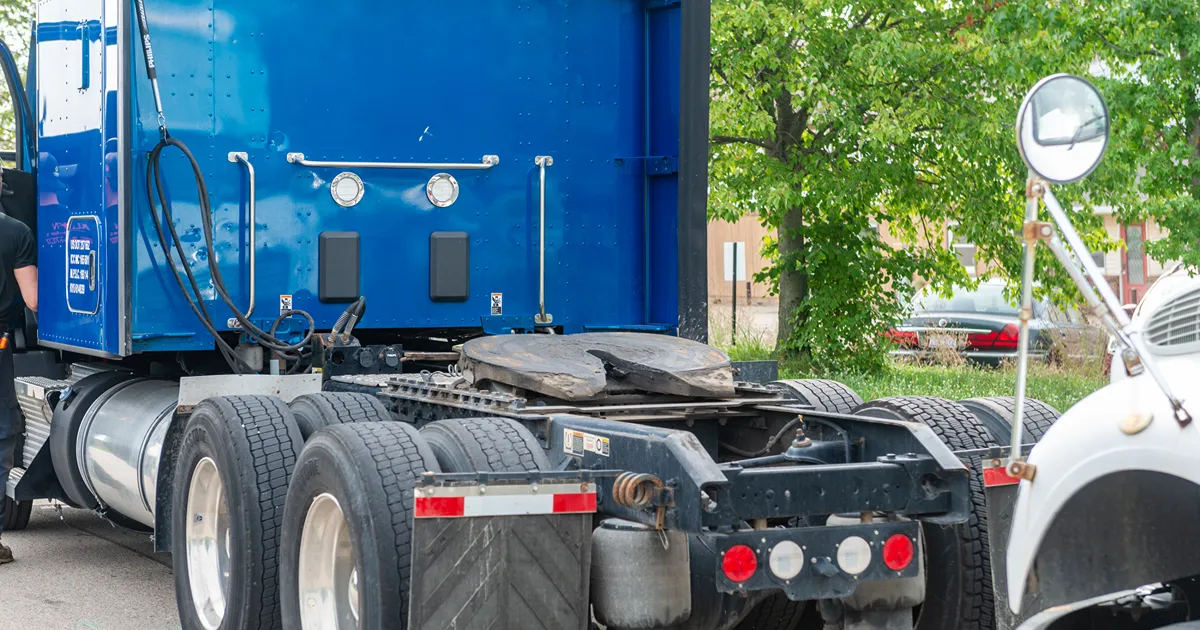
Houston's heat, humidity, idling, heavy rain, and demanding port traffic can leave hidden wear across your trucks. A post-summer fleet maintenance reset helps you catch cooling, electrical, brake, tire, fluid, and moisture-related problems before they cause downtime.
September may be on the calendar, but Houston trucks are hardly enjoying fall weather. After months of high heat, humidity, idling, heavy rain, and demanding freight work, your equipment can carry plenty of accumulated wear into the next season.
The real problem is that mileage doesn't always show how hard your trucks have worked. A professional fleet maintenance reset helps you find what Houston's summer conditions overheated, weakened, loosened, contaminated, or wore down before those issues become expensive failures.
Start With the Diesel Cooling System
Houston heat puts your truck's cooling system to work, but extended idling can make that job even harder. When a truck is sitting still or crawling through terminal traffic, it loses much of the natural airflow that comes from highway speed, making proper fan and radiator performance especially important.
That matters for drayage trucks around Port Houston, vocational equipment in the Houston Ship Channel industrial corridor, and delivery vehicles that spend their days moving through stop-and-go traffic.
Don't limit your inspection to checking whether the coolant reservoir is full. A proper diesel cooling system inspection should include:
- Coolant level and condition
- Radiator condition and airflow restrictions
- Hoses and clamps
- Coolant leaks
- Fan and fan-clutch operation
- Belts and tensioners
- Water-pump warning signs
- Debris restricting airflow through the cooling stack
The cooling system transfers engine heat into coolant and then releases that heat through the radiator. At lower road speeds, cooling-fan operation becomes particularly important because less air naturally passes through the radiator.
Recurring coolant loss also deserves more attention than another top-off. If a truck keeps losing coolant, find the source instead of allowing refilling to become part of its normal routine.
Let Engine Hours Tell Part of the Maintenance Story
Here's where Houston fleet maintenance gets tricky: a truck can work hard without travelling very far.
Drayage trucks serving Bayport and Barbours Cut may spend considerable time waiting, crawling through terminals, moving containers, and idling between short trips. Utility trucks, service vehicles, tank trucks, and other vocational equipment can face a similar pattern.
During those periods, the odometer barely moves, but the truck keeps working.
High idle time can continue adding:
- Engine hours
- Cooling-system runtime
- Alternator and electrical demand
- HVAC operation
- Fuel-system operating time
- Aftertreatment operating time
That's why preventive maintenance shouldn't always rely on mileage alone. Engine hours, idle percentage, PTO use, load, and actual duty cycle can provide a much clearer picture of how heavily a truck has been used.
This is especially relevant for fleets working around Port Houston and the Houston Ship Channel, where trucks can transition quickly from low-speed industrial or terminal work to highway operation on routes such as I-10.
Preventive maintenance is designed to identify and correct developing problems before they escalate into failures, rather than waiting for a breakdown to dictate the repair schedule.
Check What Heat and Humidity Exposed
Heat can be rough on commercial truck batteries, while Houston's moisture and heavy rain can expose weaknesses in connections, grounds, wiring, and seals.
That doesn't mean humidity automatically causes an electrical failure. It does mean a battery already weakened by months of heat may be less forgiving when corrosion, loose terminals, damaged wiring, or moisture intrusion enter the picture.
Your electrical system inspection should include battery condition, charging-system performance, cables, terminals, grounds, wiring, and sealed connectors. Look for corrosion, looseness, damaged insulation, or evidence that water has entered areas that should remain protected.
Don't ignore intermittent symptoms either. Flickering lights, inconsistent starting, occasional sensor warnings, or unexplained voltage problems can point to electrical issues that haven't yet progressed to a complete failure.
Your alternator also deserves attention because it supplies electrical power while the engine is running and recharges the truck's battery. A charging-system weakness can therefore affect far more than starting performance.
Reset Commercial Truck Brakes and Tires After Summer Duty
Houston trucks frequently move between congested local operation and higher-speed interstate travel. That combination can put repeated demands on brakes, tires, suspension components, and wheel ends.
Start with commercial truck brakes. Inspect friction material, drums or rotors, adjustment, air lines, hoses, and components for signs of overheating, dragging, damage, or uneven wear.
Heavy-duty air-brake systems rely on compressed air travelling through air lines to service chambers, which then activate the mechanical components responsible for applying the brakes. That makes the condition of the entire system important—not only the visible friction material.
Then move to your tires.
Check cold inflation pressure, tread depth, sidewalls, casings, embedded debris, and irregular wear. If you find an unusual wear pattern, don't automatically treat the tire as the only problem.
Uneven wear can point toward alignment, suspension, inflation, or wheel-end concerns. Finding that underlying cause can prevent the replacement tire from developing the same problem.
Texas commercial vehicle inspections also include brakes, tires, suspension, steering, wheel assemblies, lights, and other safety-related components, reinforcing the value of looking beyond basic engine maintenance during your seasonal reset.
Find the Cause of Fluid Loss, Belt Wear, and Leaks
A post-summer fleet maintenance inspection is a good opportunity to stop topping fluids off and start asking why their levels changed.
Check engine oil, coolant, transmission fluid where applicable, power-steering fluid, and hydraulic fluid on vocational equipment. At the same time, inspect hoses, belts, seals, fittings, and visible leak points.
Engine oil protects internal components through lubrication and can also help carry heat away through an oil cooler. Transmission fluid and gear oil likewise provide lubrication and protection for components operating under significant loads and temperatures.
This matters for fleets working throughout Houston's petrochemical and industrial areas. Tank trucks, bulk-haul equipment, construction vehicles, utility trucks, and service vehicles may accumulate considerable engine or hydraulic-system hours even when mileage looks relatively modest.
A small recurring leak can become easy to normalize when crews see the truck every day. Don't. Find the source while the repair is still manageable.
Prepare for Heavy Rain and Water-Intrusion Problems
Houston's September weather can still deliver substantial rainfall, so wet-weather reliability deserves a place in your Houston fleet maintenance reset.
This doesn't need to become a hurricane-preparation exercise. Focus instead on the maintenance consequences of repeated rain, standing water, and storm exposure.
Inspect:
- Electrical connectors and connector seals
- Exposed wiring
- Exterior and chassis lighting
- Windshield wipers
- Washer systems
- Cab and body seals
- Signs of water intrusion
- Filters where water contamination is possible
- Wheel-end and chassis areas exposed to standing water
A truck doesn't need to be submerged to develop moisture-related problems. Damaged seals or compromised connectors may allow water into places where corrosion and intermittent electrical faults can begin.
Visibility equipment deserves attention as well. Reliable lighting, washers, and wipers become much more important when your drivers are dealing with heavy rain on I-10 or moving between industrial sites and Houston-area freight corridors.
Use September as a Post-Summer Fleet Maintenance Reset
Houston fleet maintenance shouldn't treat September like the beginning of cool weather. Heat can linger, rain remains a concern, and trucks have already accumulated months of summer stress.
Use this point in the year to evaluate the condition of your cooling system, batteries and electrical connections, brakes, tires, fluids, belts, hoses, and moisture-sensitive components. Most importantly, compare your maintenance schedule against how your trucks actually operate.
Mileage tells part of the story. Engine hours, idle time, PTO operation, load, and duty cycle can tell you the rest.
Schedule Your Fleet's Post-Summer Maintenance
If your trucks have spent the summer working through Houston heat, terminal traffic, industrial duty cycles, and heavy rain, our team at Superior Diesel can help you catch accumulated wear before it becomes unplanned downtime.
Just give us a call today at 281-219-6900 and schedule a post-summer inspection today.
Frequently Asked Questions
Why do Houston fleets need post-summer maintenance?
Houston trucks can spend months operating in high heat, humidity, heavy rain, congestion, and demanding industrial or port environments. Post-summer maintenance gives you an opportunity to identify accumulated cooling-system, electrical, brake, tire, fluid, and moisture-related wear before it develops into downtime.
Should preventive maintenance be based on mileage or engine hours?
Both can matter. Mileage is useful, but engine hours and duty cycle can provide important additional information for trucks that idle frequently, operate PTO equipment, perform short trips, or spend significant time working at low speeds.
What should be inspected in a heavy-duty cooling system after summer?
Check coolant level and condition, hoses, clamps, radiator condition, airflow restrictions, visible leaks, fan operation, belts, tensioners, and signs of water-pump problems. Trucks that spend significant time idling or travelling at low speeds deserve particular attention.
Can Houston's humidity and rain damage truck electrical systems?
Humidity or rain doesn't automatically cause electrical failure. However, damaged seals, water intrusion, corrosion, loose connections, and compromised wiring can create electrical problems, especially when batteries and components have already endured prolonged summer heat.
What types of trucks benefit most from engine-hour-based maintenance?
Drayage trucks, utility vehicles, service trucks, vocational equipment, delivery vehicles, and trucks that spend long periods idling can benefit from considering engine hours alongside mileage. These vehicles may accumulate significant component operating time without adding many road miles.