

Can a Clogged Radiator Cause Engine Power Loss on Houston's I-45 Corridor?
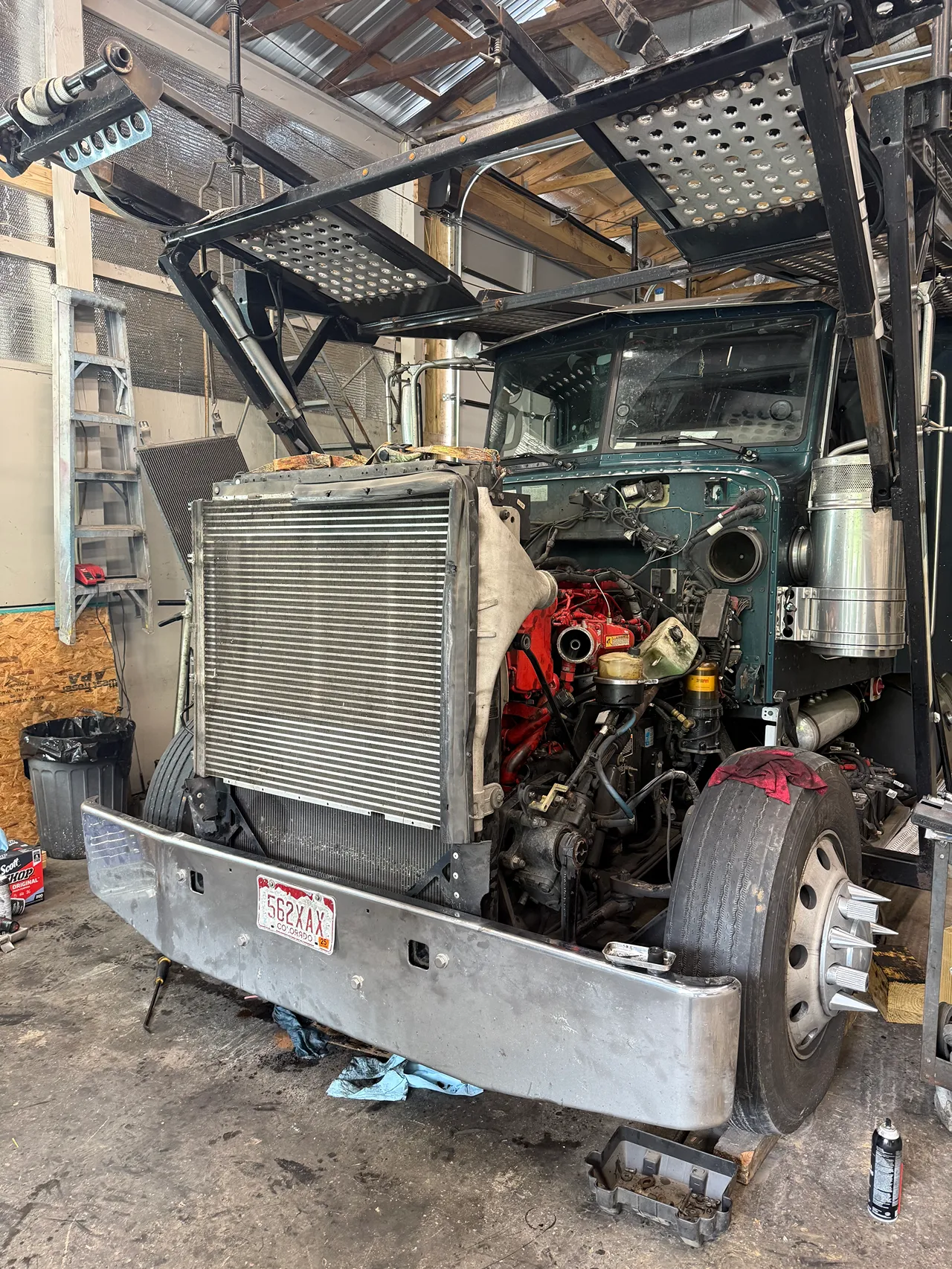
You're hauling a loaded trailer along Houston's I-45 when traffic slows, your temperature gauge climbs, and your truck suddenly loses power. A clogged truck radiator could be preventing your engine from releasing enough heat, triggering a protective power reduction. Recognizing the warning signs and identifying the actual cooling-system fault can help you avoid costly engine damage.
How Can a Clogged Radiator Cause Diesel Engine Power Loss?
A clogged radiator can cause diesel truck power loss by restricting heat transfer and allowing engine coolant temperatures to rise. When temperatures exceed safe limits, some diesel engines automatically reduce power through an engine protection system known as derating.
Your truck's cooling system circulates coolant through the engine block, absorbing heat generated during combustion. That heated coolant then travels through the radiator, where airflow removes excess heat before the coolant returns to the engine.
When airflow or coolant circulation becomes restricted, this process loses efficiency. Your engine can begin overheating, particularly when hauling heavy loads or operating in demanding traffic conditions.
Why Does Engine Derating Happen?
Modern heavy-duty diesel engines use electronic control modules (ECMs) to monitor operating conditions, including coolant temperature.
If the engine detects excessive heat, its protection strategy may limit available power to reduce the risk of damage. The exact response depends on the engine manufacturer, model, and programmed protection settings.
For drivers traveling Houston's I-45 North Freeway, this can feel like sudden sluggish acceleration or difficulty maintaining speed. However, overheating-related derating must be confirmed through diagnostics because other engine faults can produce similar symptoms.
What Types of Radiator Blockages Cause Overheating?
Not every radiator restriction develops in the same place. Understanding the difference between external airflow blockage and internal coolant restrictions helps determine whether your truck needs cleaning, repair, or replacement.
External Radiator Blockage
External blockages occur when dirt, insects, road debris, or other contaminants accumulate between the radiator fins.
These materials restrict airflow through the radiator core, reducing its ability to dissipate heat. Even when your coolant level is correct, insufficient airflow can cause operating temperatures to climb.
Regional tractor-trailers operating along I-45 may experience these problems after extended exposure to road debris. Professional heavy-duty truck radiator repair begins with inspecting the radiator's condition and identifying whether its airflow passages are restricted.
Internal Radiator Restrictions
Internal restrictions develop when deposits, corrosion, or contamination obstruct the radiator's coolant passages.
These blockages interfere with coolant movement and heat transfer, potentially creating overheating problems even when the cooling fan operates properly.
A professional radiator inspection can help determine whether cleaning is appropriate or internal deterioration makes replacement necessary. Severe restrictions cannot always be corrected through flushing.
What Other Cooling System Problems Can Cause Similar Power Loss?
A rising temperature gauge doesn't automatically mean your radiator is clogged. Several mechanical problems can produce nearly identical symptoms, making accurate commercial truck cooling system repair essential.
Common problems include:
- Faulty cooling fan or fan clutch: A fan that fails to engage properly can reduce airflow during idling and slow-moving traffic.
- Low coolant levels: Leaks or insufficient coolant can prevent the system from removing heat effectively.
- Malfunctioning thermostat: A thermostat that remains closed or opens improperly can restrict coolant circulation.
- Failing water pump: Inadequate coolant circulation can cause overheating under demanding engine loads.
- Engine control faults: Sensor or electronic issues can contribute to warning messages or reduced power without a clogged radiator.
Consider a warehouse delivery truck crawling through the I-45 and I-610 interchange. If its temperature rises mainly during stop-and-go traffic but improves at highway speeds, inadequate cooling fan operation may be worth investigating.
That's why technicians should inspect the complete cooling system before recommending radiator replacement. Replacing the wrong component wastes money and leaves the underlying problem unresolved.
What Are Five Warning Signs of a Clogged Truck Radiator?
Early recognition can prevent a manageable cooling-system problem from becoming a major breakdown. Drivers experiencing semi-truck overheating in Houston should watch for these five warning signs:
- Rising coolant temperature: Your temperature gauge consistently climbs above its normal operating range.
- Reduced engine power: Acceleration becomes sluggish while temperature warnings or diagnostic alerts appear.
- Overheating during slow traffic: Engine temperatures rise while idling or moving slowly along congested highways.
- Unusual cooling fan behavior: Your fan runs excessively or fails to engage when additional cooling is needed.
- Coolant loss or recurring overheating: Visible leaks, falling coolant levels, or repeated temperature complaints indicate an unresolved issue.
These symptoms warrant attention, but none independently confirms a clogged radiator.
If your truck overheats or loses power, follow the manufacturer's shutdown instructions and reach a safe stopping location when possible. Never open a hot, pressurized cooling system or continue driving an overheating truck simply to reach a repair facility.
How Do Technicians Diagnose Radiator Problems?
Professional truck radiator repair services should begin with determining why the cooling system isn't maintaining proper temperatures.
Technicians can inspect the radiator core for damage, debris, or corrosion while checking coolant levels and signs of leakage. They may also pressure-test the cooling system, evaluate coolant circulation, and verify cooling fan operation.
Diagnostic equipment can retrieve engine fault codes and examine temperature readings to determine whether an overheating-related engine derate occurred.
The findings guide the repair decision:
- Dirt or debris restricting airflow: Carry out appropriate radiator cleaning and inspect airflow.
- Damaged radiator fins: Evaluate repairability and whether core replacement is needed.
- Small, accessible leak: Assess whether an approved repair will remain reliable.
- Severe internal blockage or corrosion: Consider radiator replacement.
- Repeated overheating without confirmed radiator failure: Conduct broader cooling-system diagnostics.
If the radiator is extensively deteriorated, semi-truck radiator replacement Houston services may provide a more dependable long-term solution than repeated repairs.
However, replacement isn't always necessary. Identifying the actual failure helps fleet managers avoid unnecessary parts costs and repeated downtime.
How Can Houston Truck Fleets Prevent Radiator Overheating?
October doesn't automatically bring cool operating conditions to Houston. According to the National Weather Service, normal daytime highs around mid-October remain near 83°F, making effective engine cooling important well beyond summer.
For regional freight carriers, warehouse delivery trucks, and heavy-load transportation fleets, diesel cooling system maintenance should remain part of regular preventive service.
Practical maintenance steps include:
- Inspect radiator fins and surrounding airflow passages for accumulated debris.
- Check coolant levels and look for visible leaks during routine inspections.
- Follow manufacturer recommendations for coolant condition, type, and replacement intervals.
- Investigate irregular fan operation or recurring temperature warnings.
- Address previous overheating complaints before returning trucks to demanding routes.
These checks become especially valuable after months of warm-weather operation.
A truck that runs normally without a load may still experience cooling problems under heavier operating conditions. Addressing minor restrictions early helps reduce the risk of unexpected downtime along I-45.
Where Can You Get Truck Radiator Repair in Houston, TX?
A clogged radiator can contribute to engine power loss, but accurate diagnostics are essential before replacing parts. Whether the cause involves restricted airflow, poor coolant circulation, or a faulty fan clutch, addressing the underlying problem helps protect your engine.
For professional truck radiator repair, contact our team at Superior Diesel at 1515 Superior Way, Houston, TX 77039. The shop offers radiator diagnostics, cooling-system repair, and replacement for heavy-duty diesel trucks. Call 281-219-6900 to schedule service.
FAQs
Can a clogged radiator cause a diesel truck to lose power?
Yes. A clogged radiator can reduce cooling efficiency and cause engine temperatures to rise. On engines equipped with temperature-based protection controls, excessive heat can trigger an engine derate that reduces available power.
Why does my semi-truck overheat in I-45 traffic?
Slow-moving traffic reduces natural airflow through the radiator. A restricted radiator, malfunctioning cooling fan, low coolant level, or circulation problem can make overheating more likely under these conditions.
Can a clogged truck radiator be cleaned instead of replaced?
Sometimes. External dirt and debris may be removed through appropriate cleaning, while certain internal restrictions may respond to approved servicing. Severe corrosion, damaged cores, or extensive internal blockage may require replacement.
Can I keep driving if my diesel truck loses power from overheating?
No. Continuing to drive an overheating truck risks serious engine damage. Follow manufacturer shutdown guidance, reach a safe location when possible, and arrange professional assistance before returning to operation.
How do technicians determine whether a radiator needs replacement?
Technicians inspect the radiator for airflow restrictions, leaks, damage, corrosion, and internal blockage. They also evaluate other cooling-system components to confirm the radiator is responsible before recommending replacement.